Long before architecture had a name, building began with a single stone, cut from the ground and set down beside another. In time, stones were laid for something beyond shelter: to mark what was sacred and to give form to the spiritual. The earliest sanctuaries rose from them.
These buildings shared a set of principles. Direction was one: their walls lean inward as they rise, each face turned towards the sky. Mass was another. In the pyramids of Egypt, only a few narrow passages and chambers run through the stone, so small against the volume that the whole seems almost solid and keeps part of its mystery concealed. Their builders also worked with a finer precision: in Greek temples, columns lean a fraction inward and straight lines are slightly curved, corrections sensed more than seen. And all of it rested on stone, each block a building block in the literal sense, one unit of a larger whole.
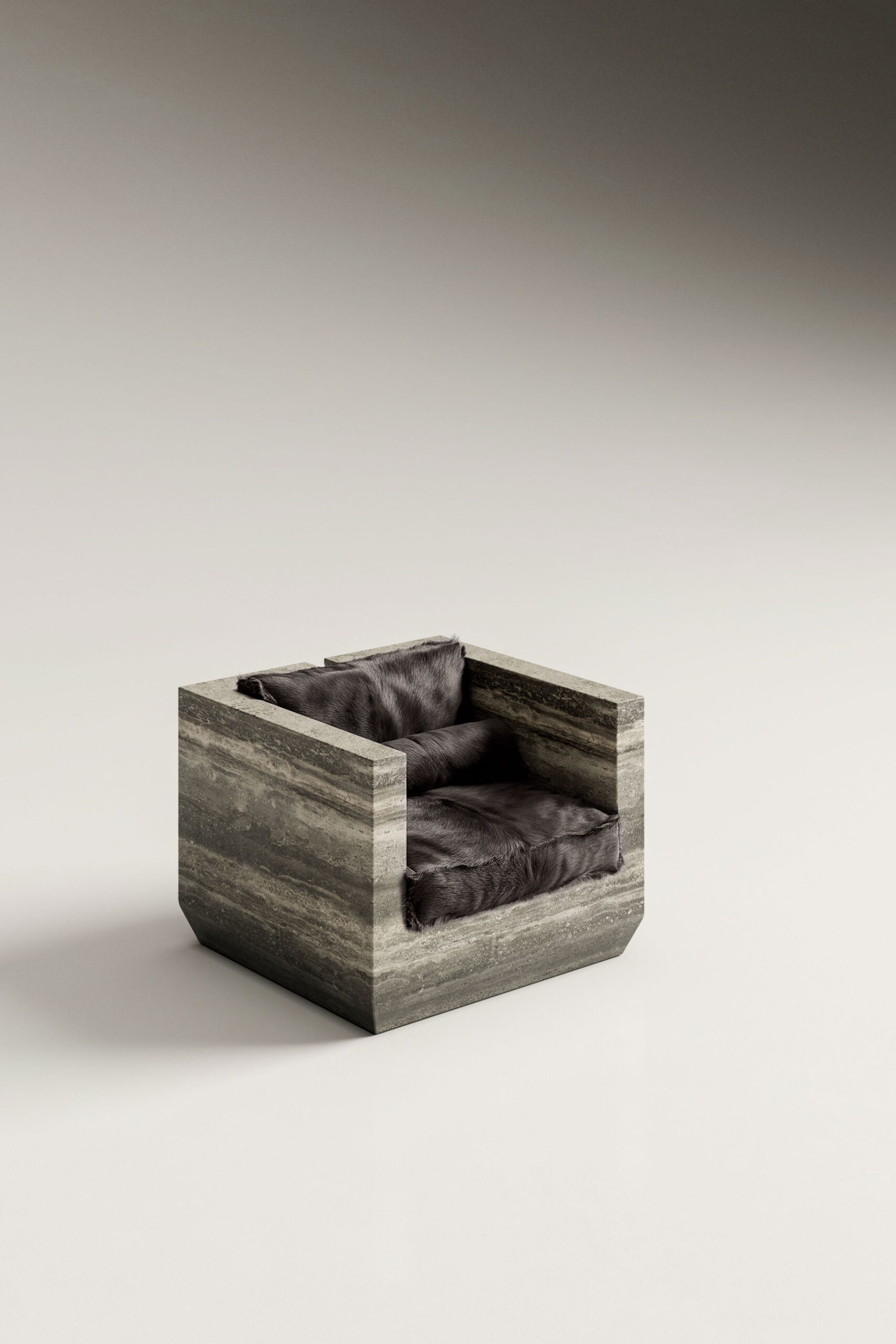
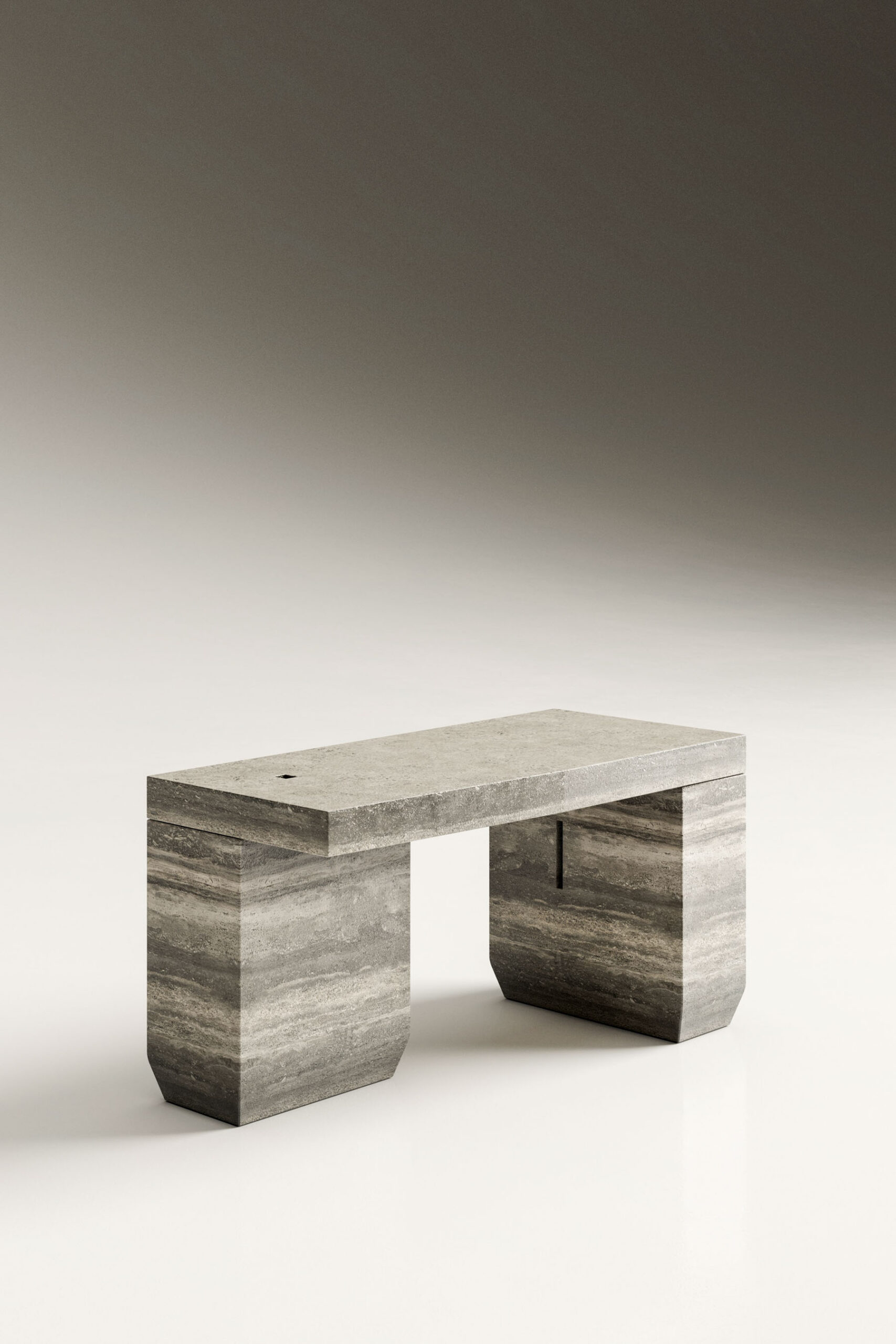
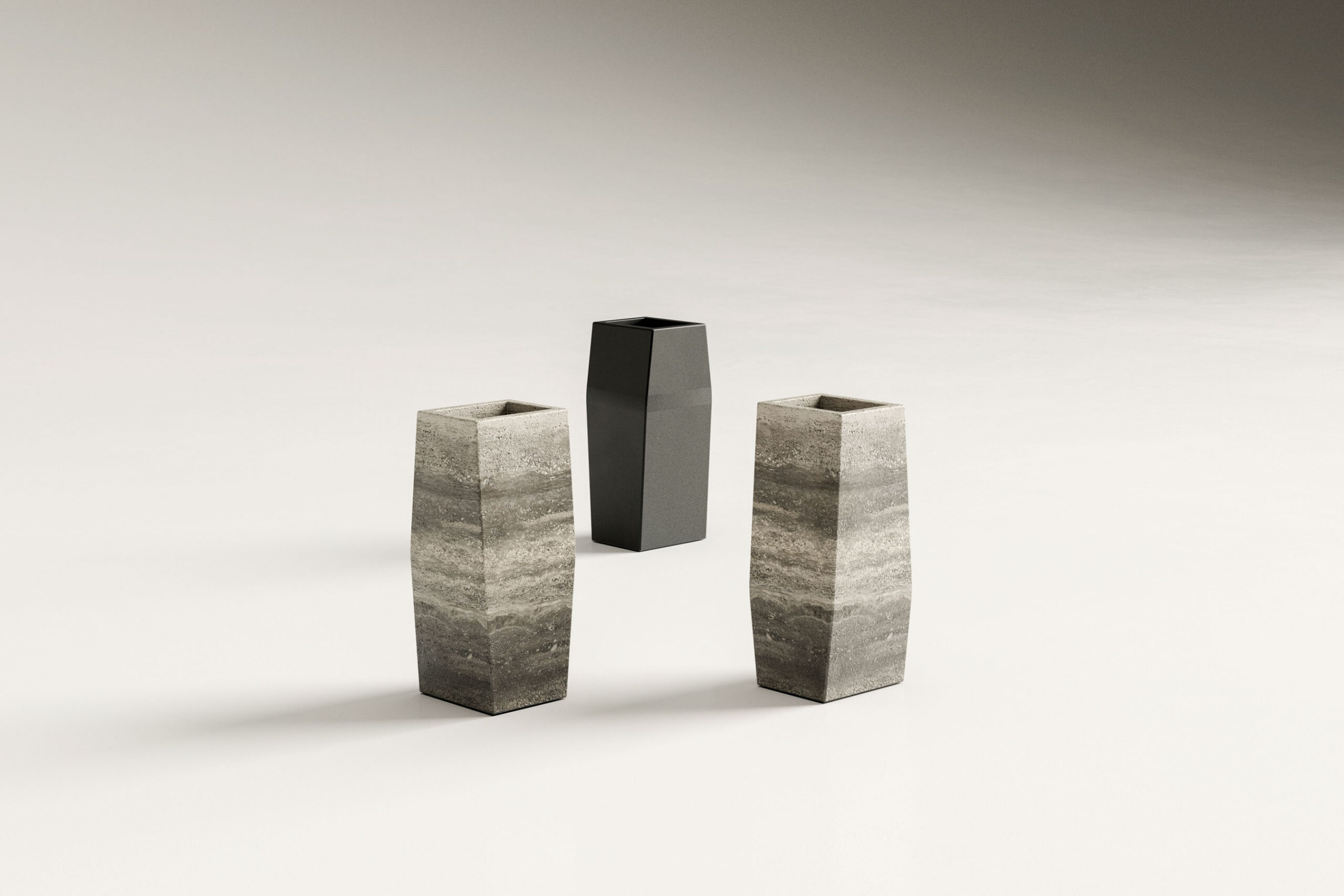
Alta does not reproduce this architecture. Its principles return as subtle references, abstracted and reinterpreted at the scale of a room.
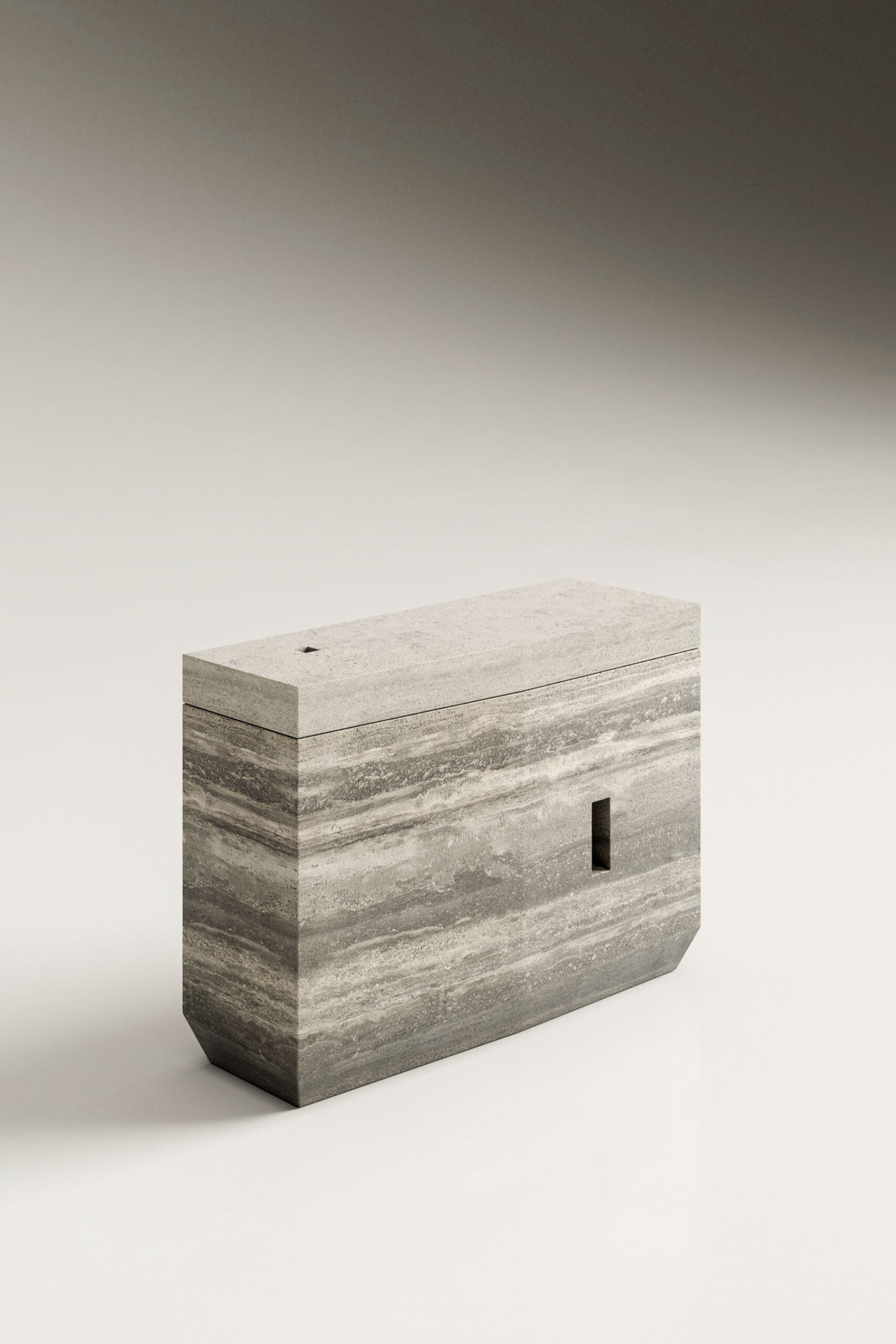
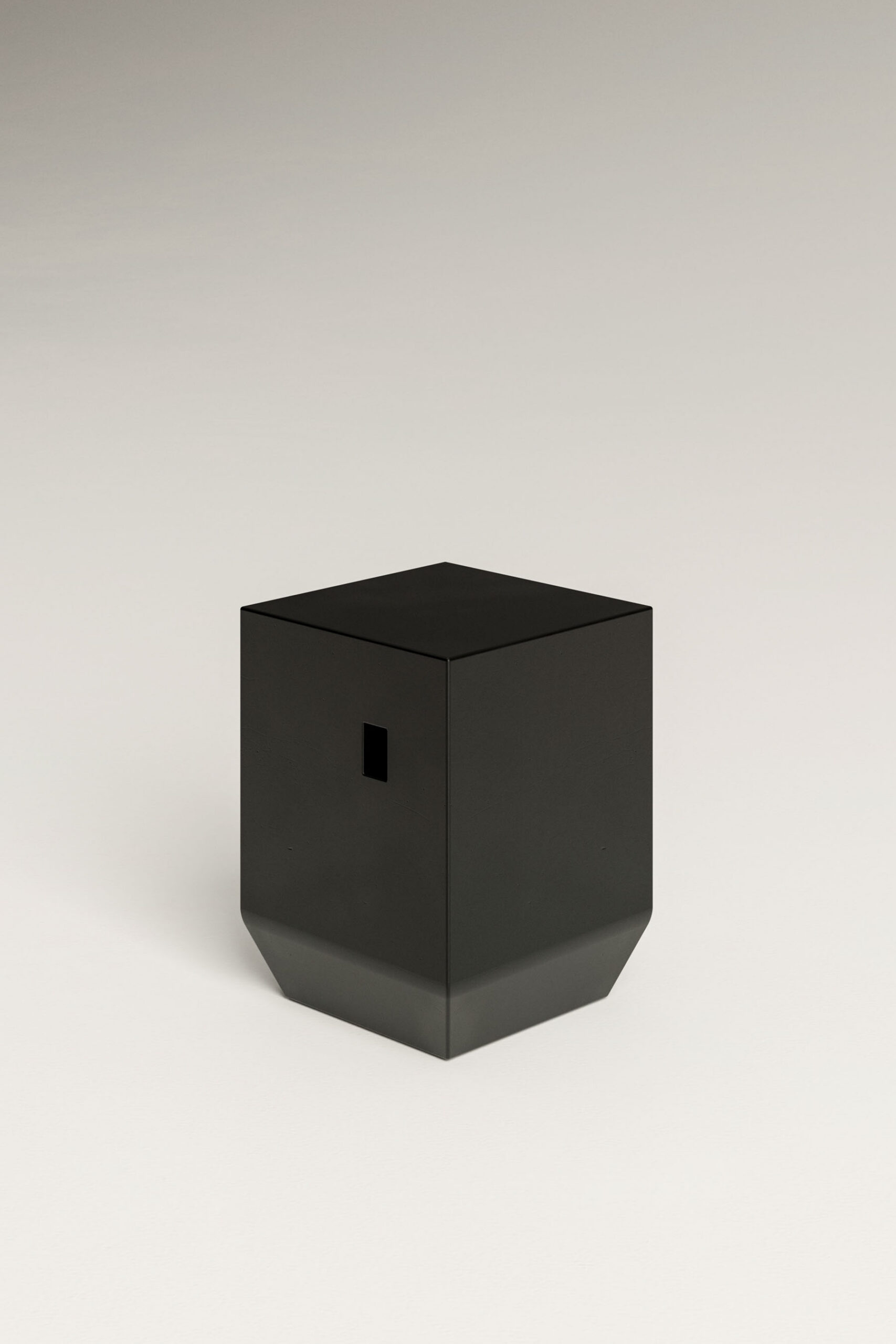
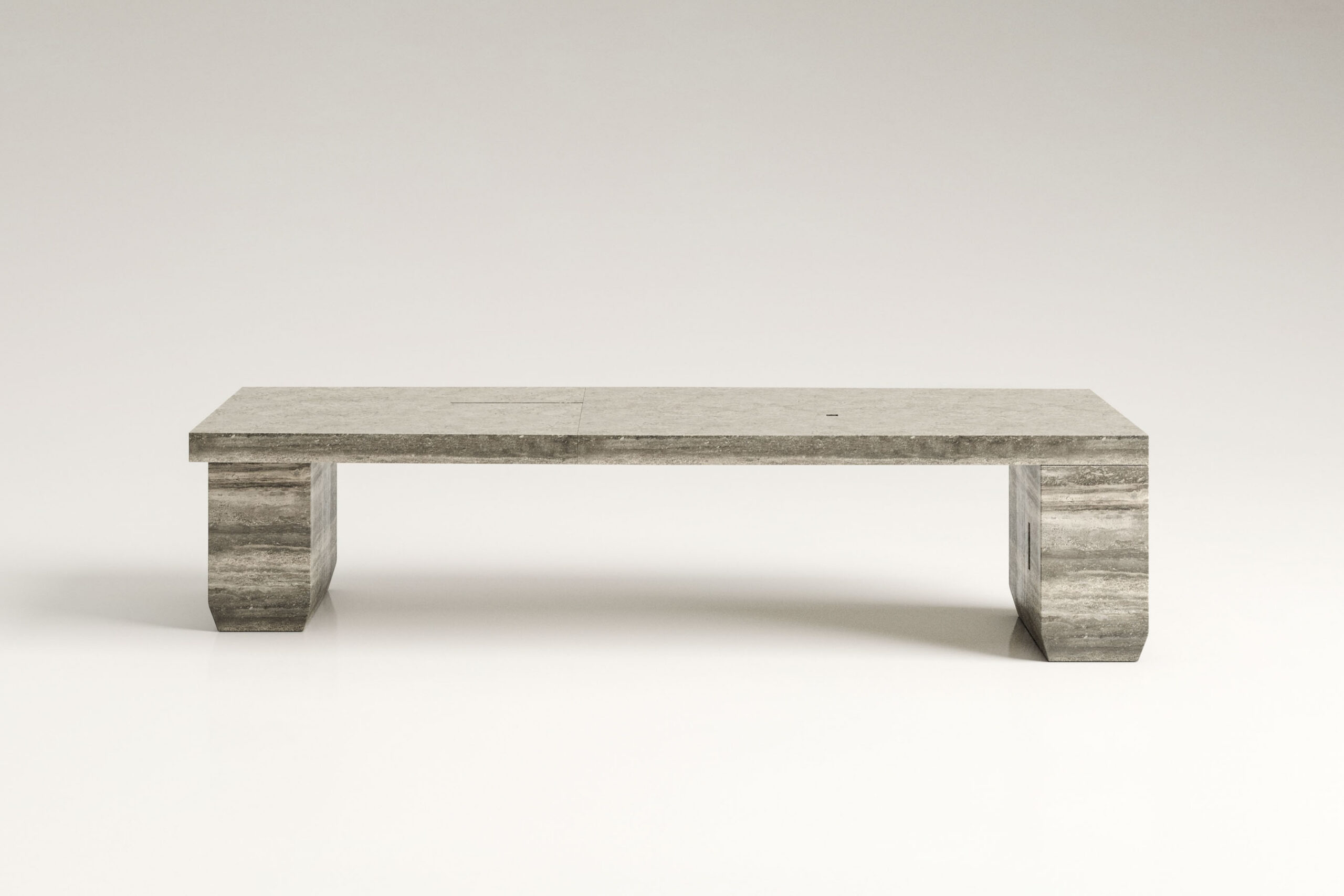
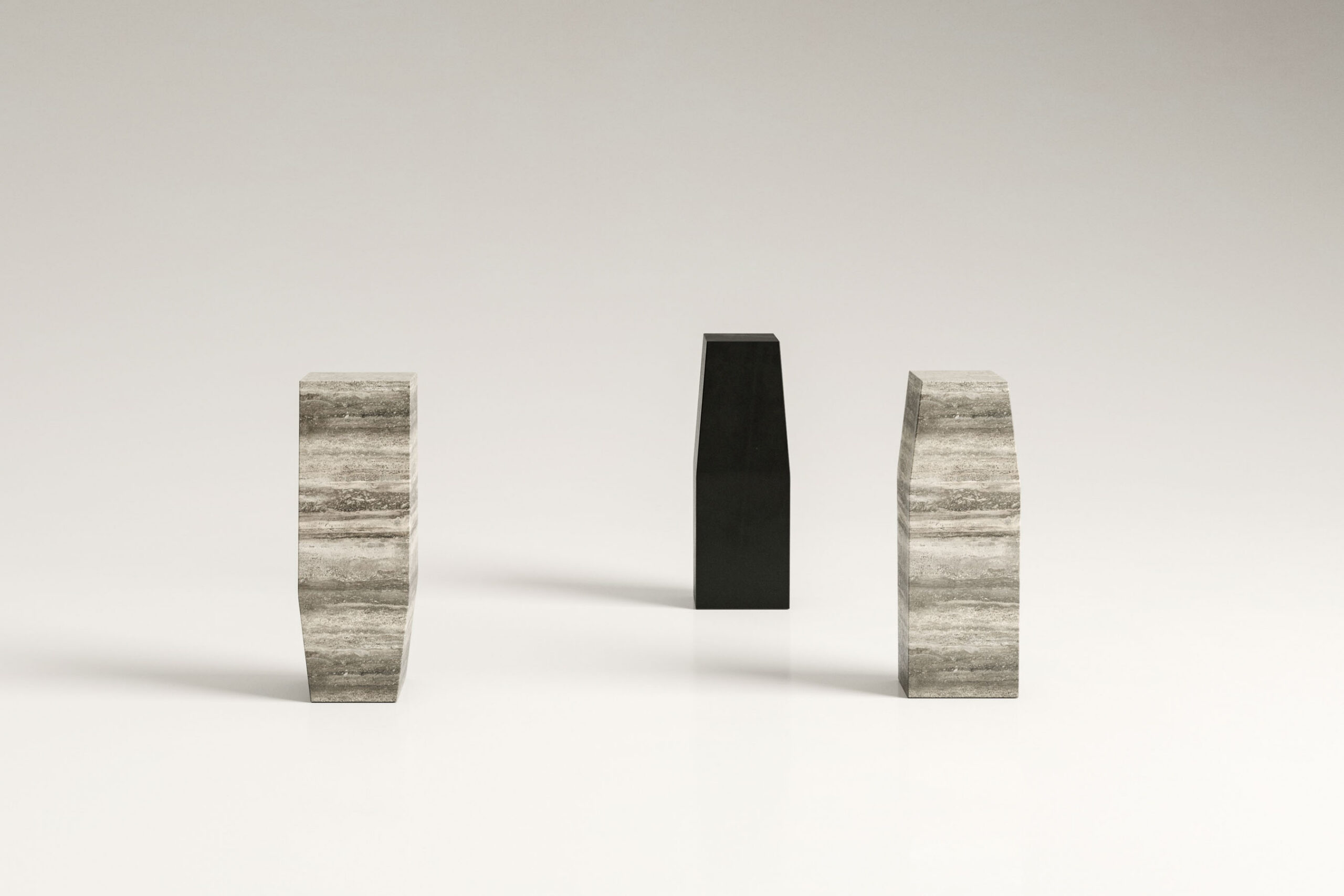
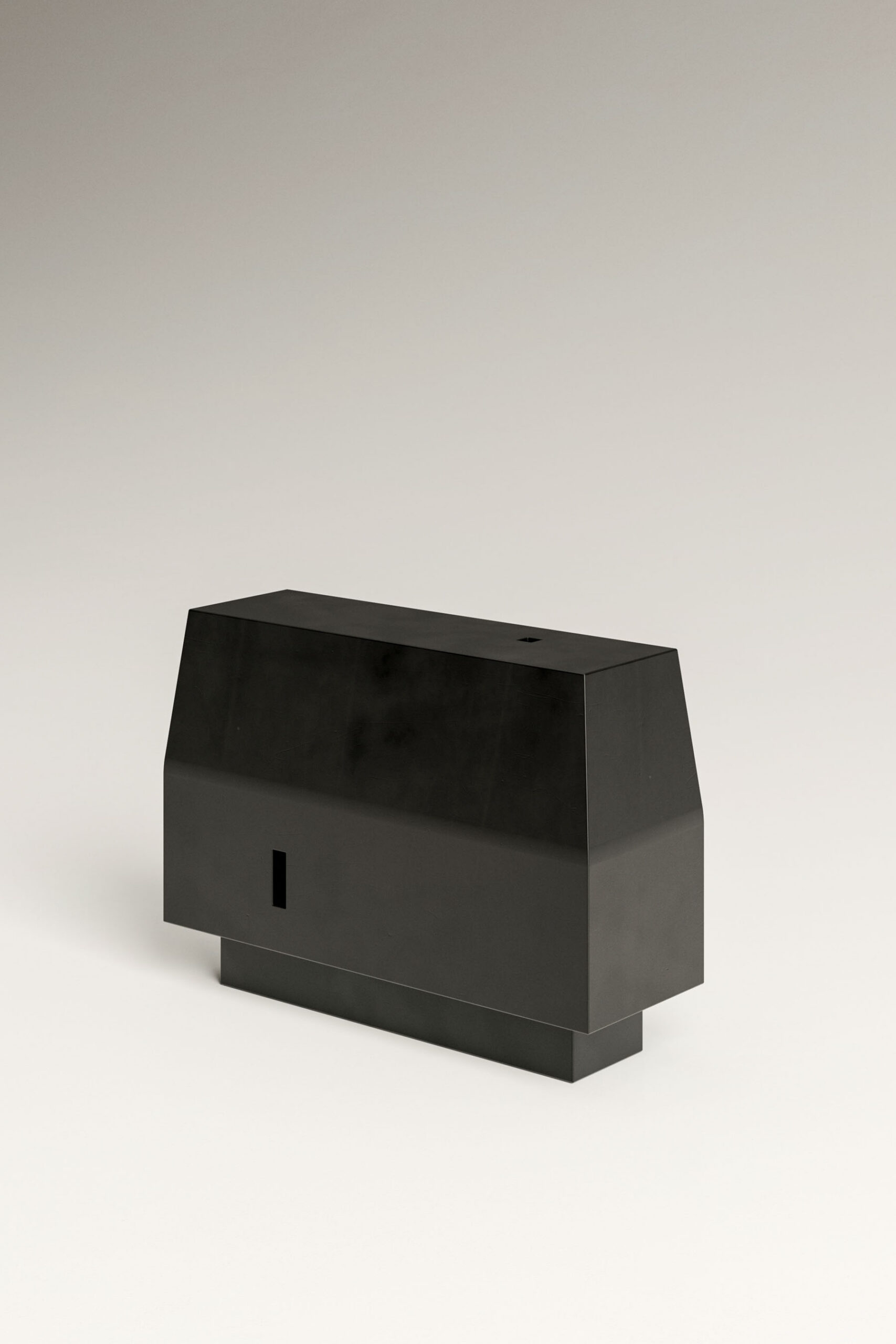
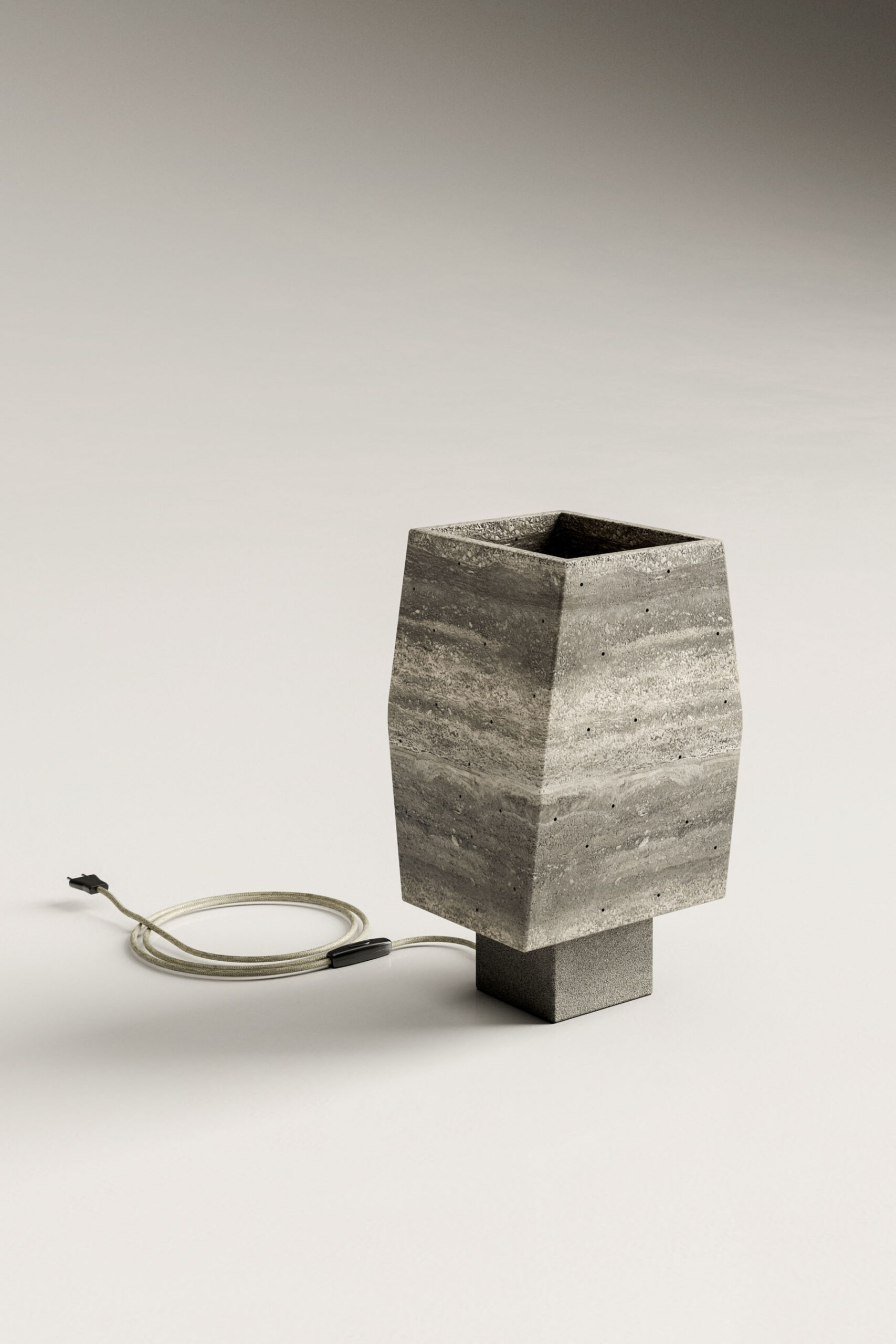
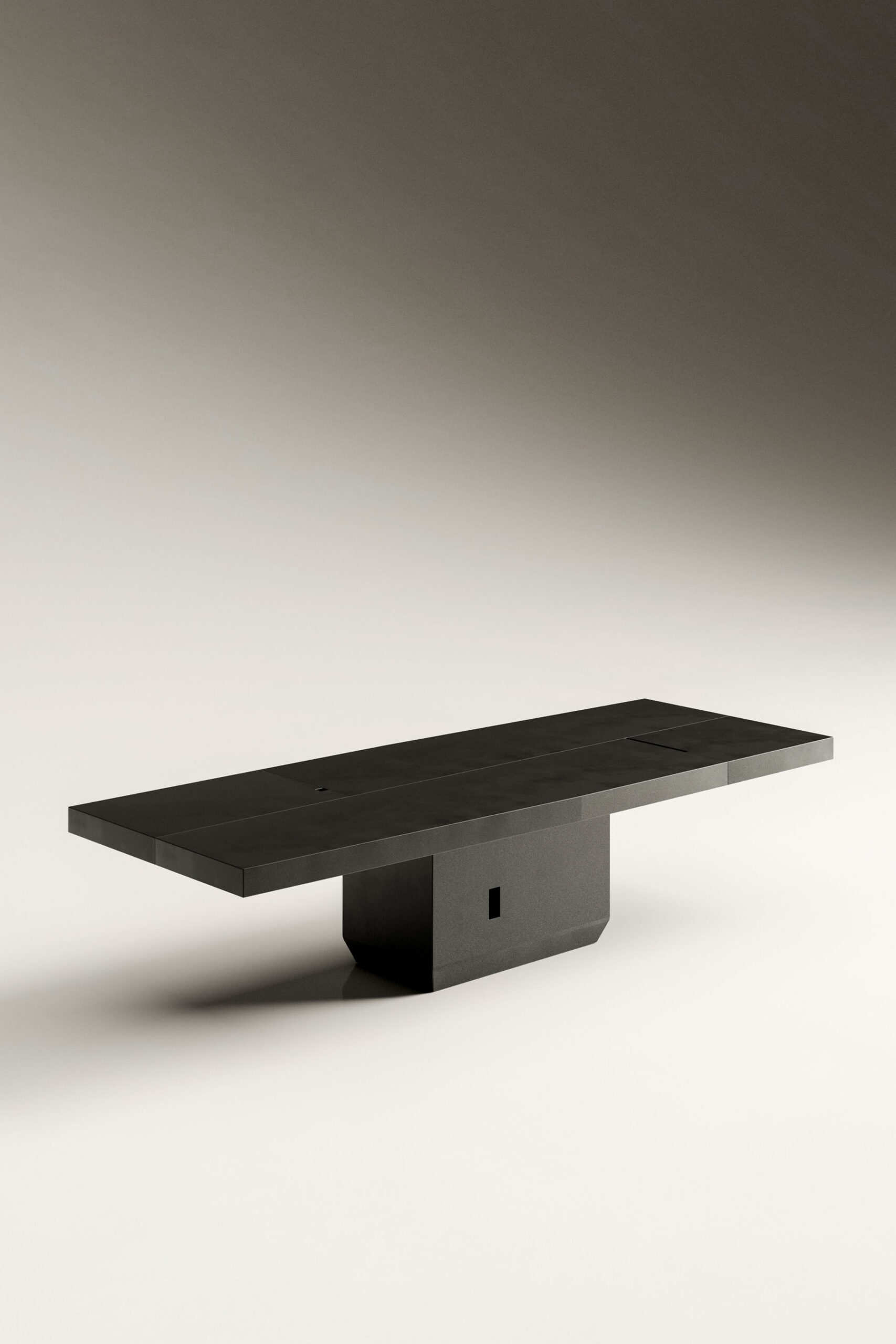
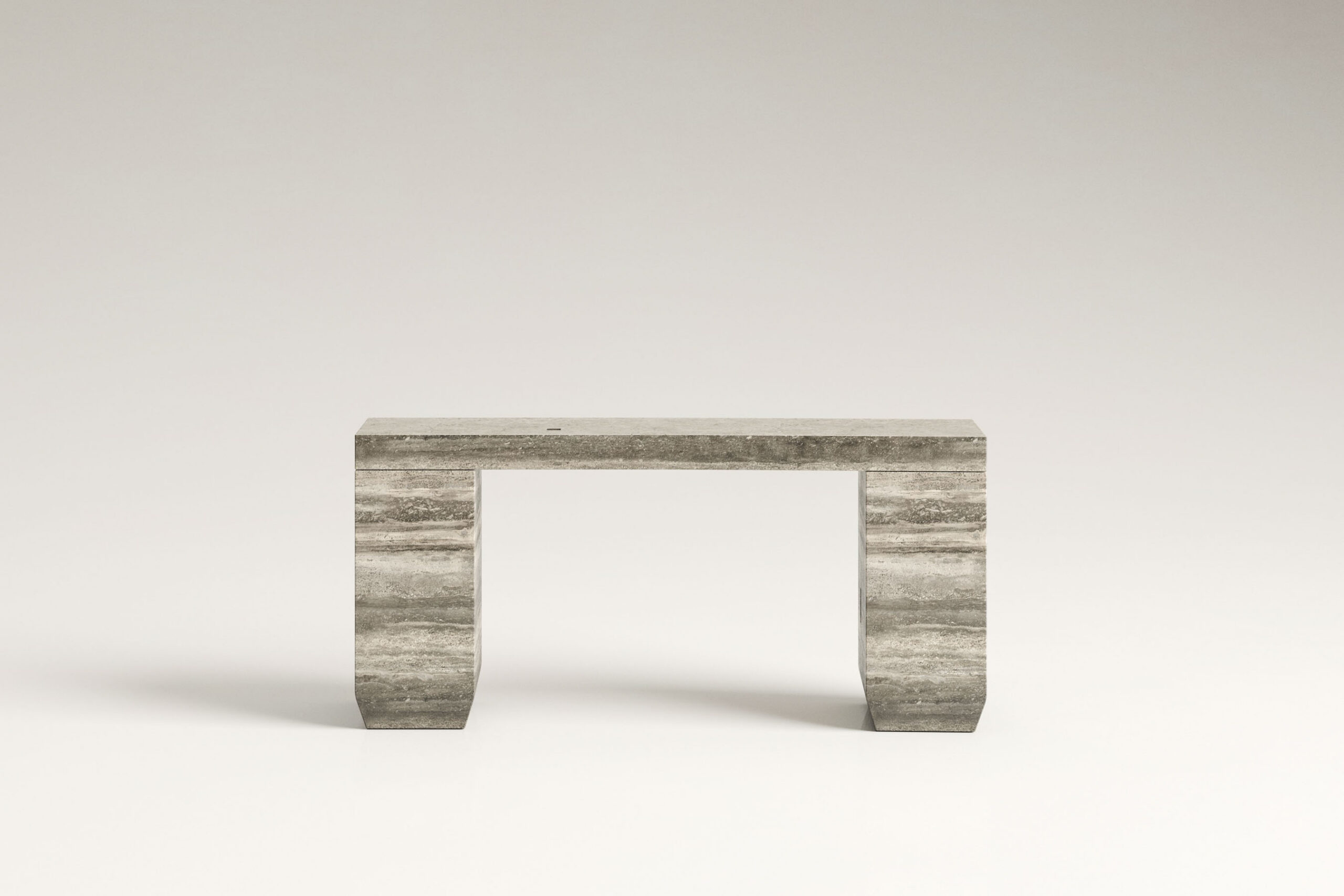
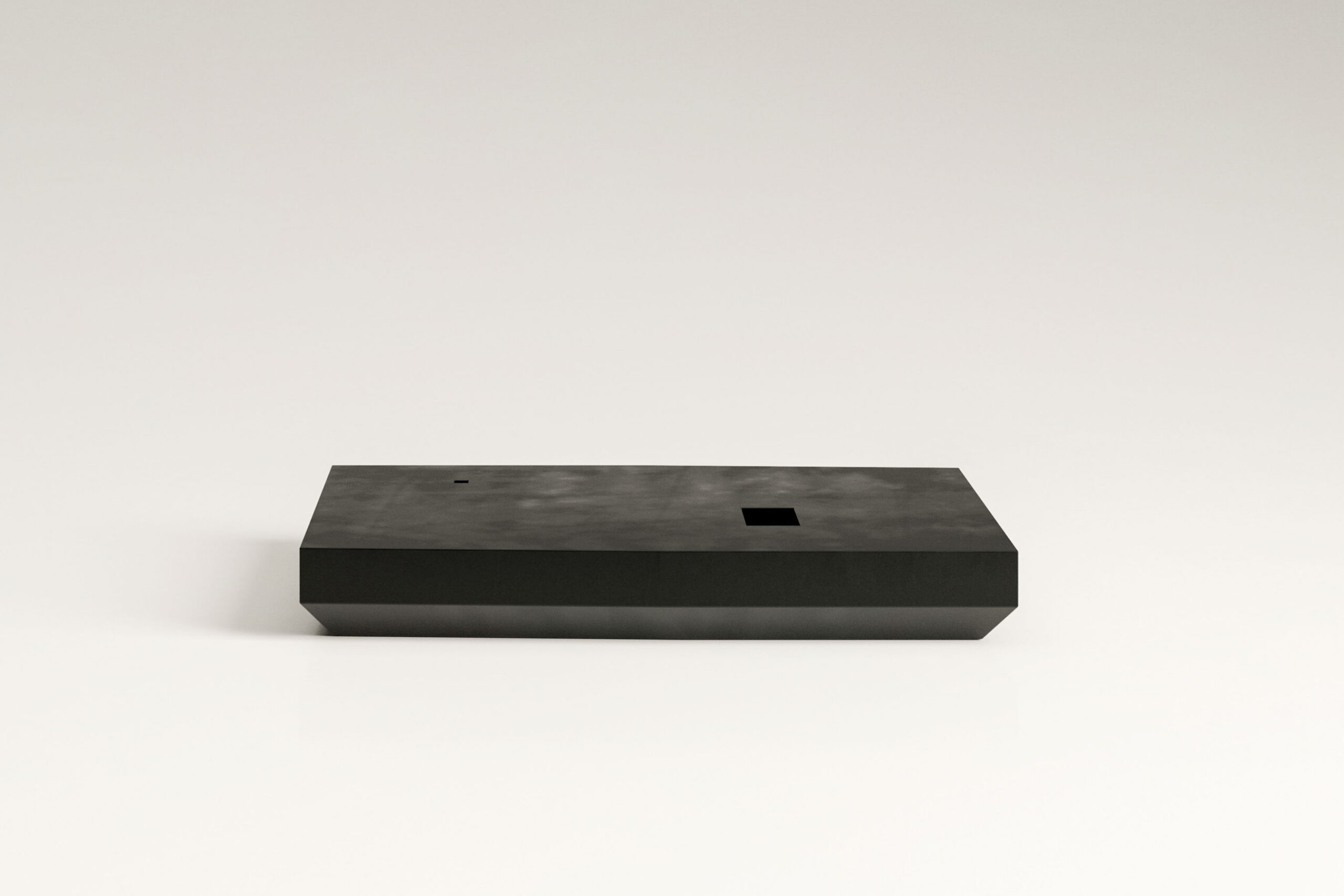
Inclination returns in various forms. The lower edges of each piece are cut back at an angle, so the block seems to lift from the floor. Elsewhere the geometry shifts by degrees, a side that leans, a top that narrows, bringing a tension and a layering that is felt first and only seen later.
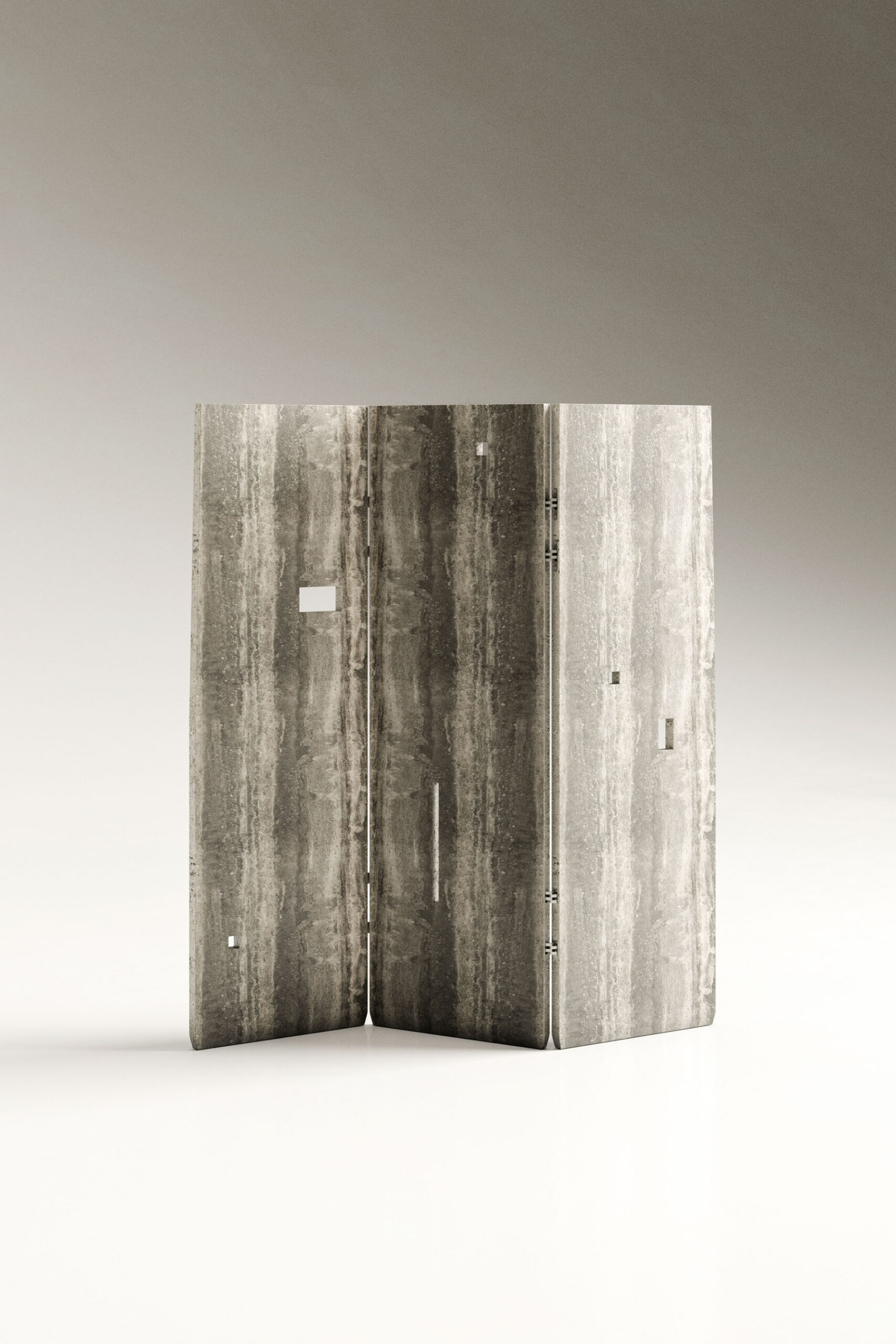
Mass remains dominant. Into the larger block, a smaller opening is sharply cut: a slot in a console, a slit in a totem, a square well in a low table. It lets the eye in, but never all the way.
Each piece is sculpted from solid natural stone, not assembled from panels. Its weight is real, perceived long before it is understood. Set in a room, each piece keeps something of the sanctuary it descends from: a point of stillness around which the space gathers.